
Zero Harm Journey
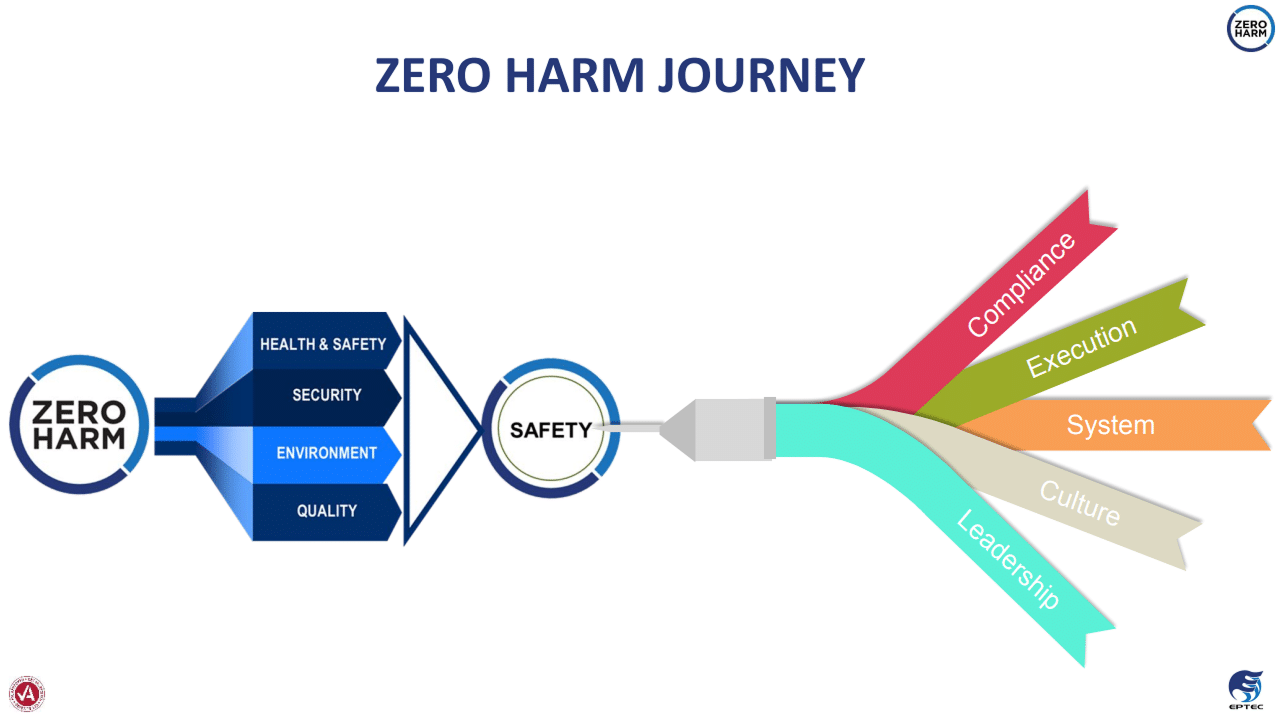
Safety Beliefs
Safety beliefs are the fundamental attitudes and assumptions that we hold about safety, influencing our behavior and overall safety culture. It shapes how people perceive risks, respond to hazards, and interact with safety procedures. Understanding and addressing our beliefs is crucial for creating a positive safety culture and reducing incidents and accidents. Our safety beliefs are consistent with and underpin our Safety Value that “We care for and protect our people, the business and the environment”
Please take a minute to read our five beliefs and familiarise yourself with the content.

Our HSSEQ Journey map articulates our leadership coaching and mentoring approach, unconditional safety commitment, due diligence, transparency and obligations and duties in working together safely and achieving our goal of Zero Harm
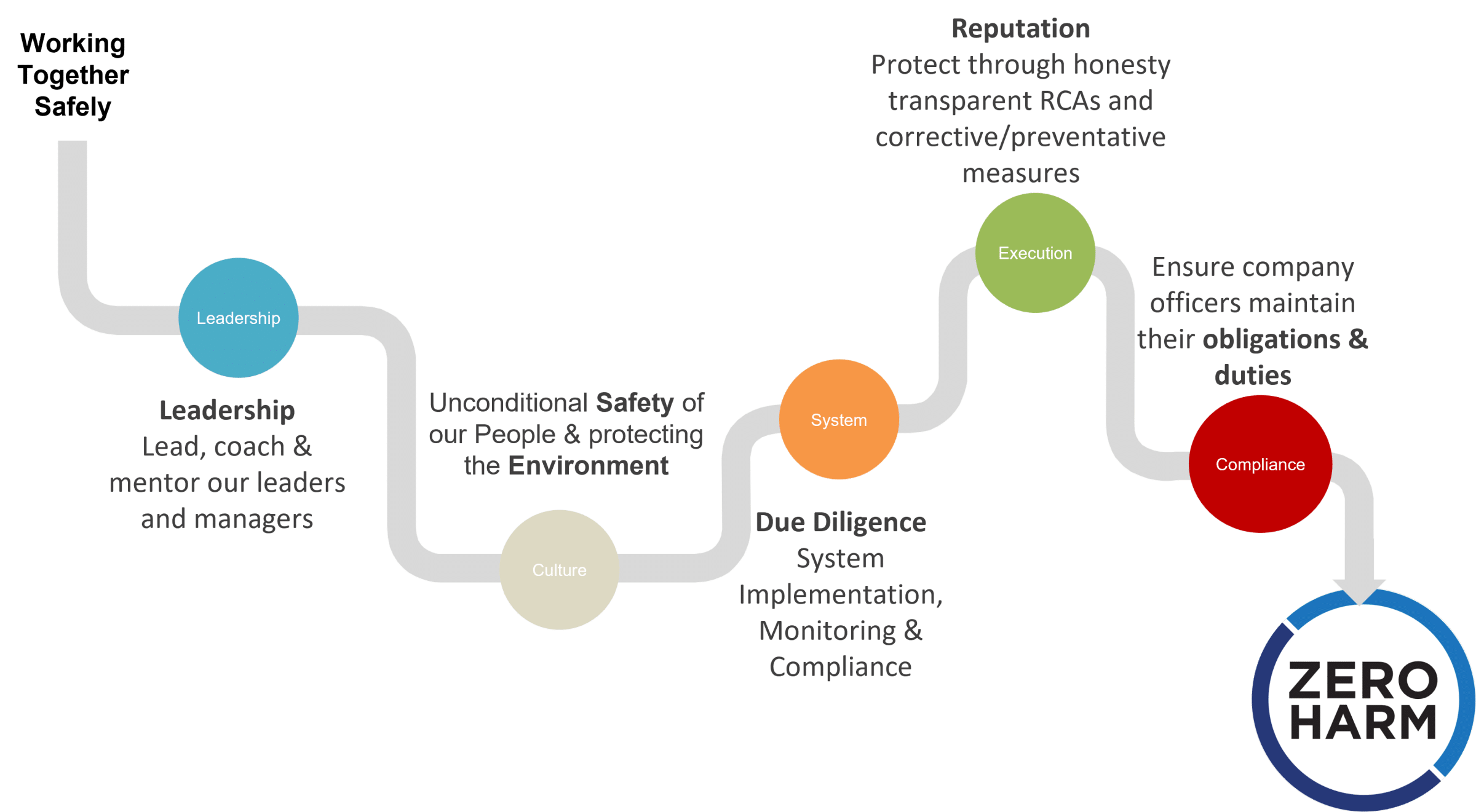
Key Elements of our Zero Harm Journey
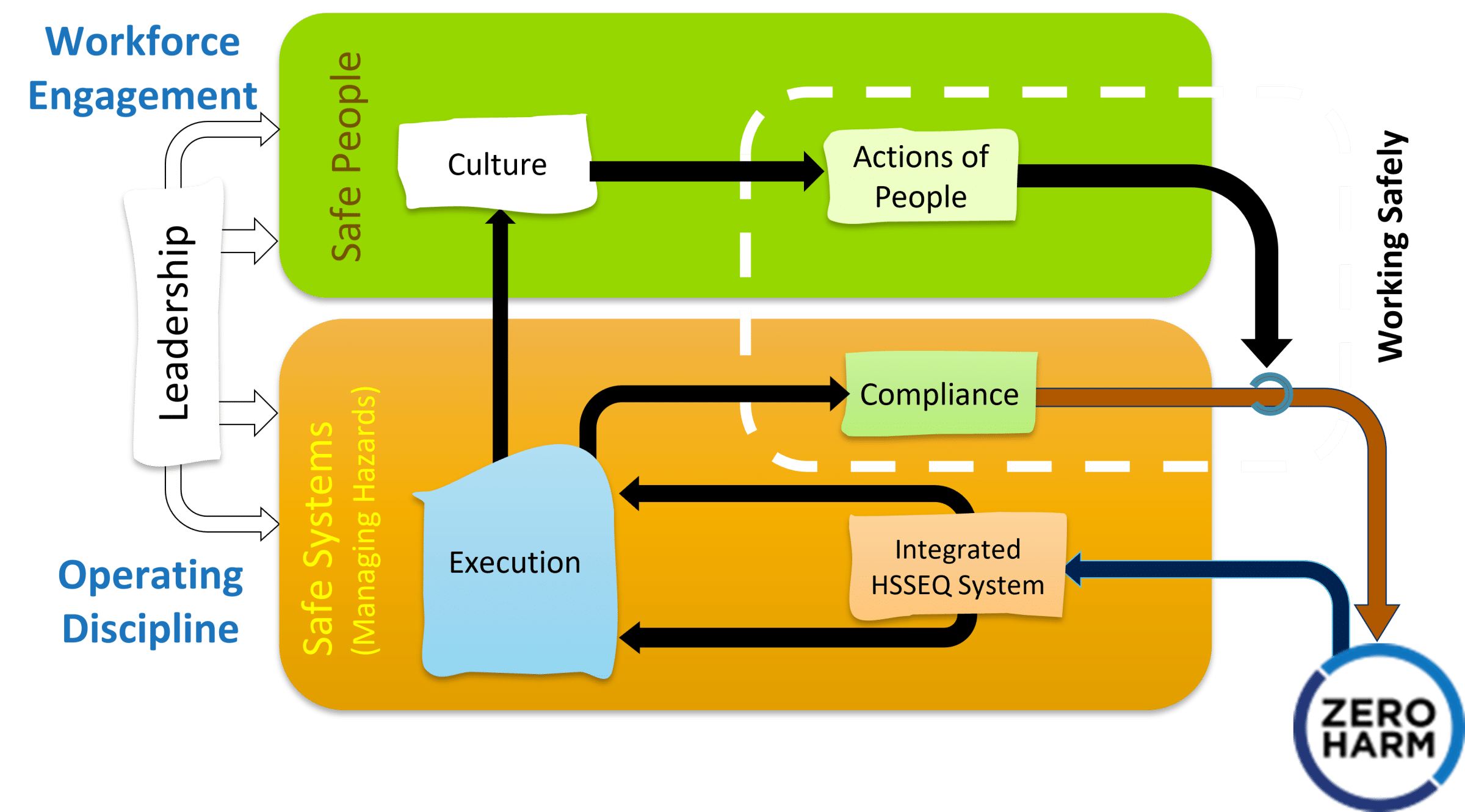
The results we get is a function of the hazards that we manage, and the range of hazards defines the system and legislative requirements; together, it determines the controls we must implement. The capabilities, actions, beliefs, and values of our People can modify the effectiveness of our controls. Leadership Workforce engagement, including coaching & mentoring, is a critical element in influencing culture and capability. Holding ourselves accountable for what we do, and how we implement and comply with our system is called Operational Discipline.
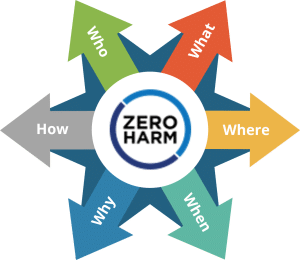
We summarise the six key drivers of Zero Harm and to Working Together Safely as follows:
- Who?
Our managers are accountable, and supervisors & engineers are responsible for HSSEQ. Team members are each other’s keepers, and the Safety team is our system custodians & coaches.
- What?
Our Zero Harm system implementation with operational discipline for Key Performance Indicators contributes to our interdependent culture, ensuring due diligence.
- Where?
Zero Harm is at our cultural core, which instils in our people that wherever we work, we work in line with our beliefs & values, with the same mindset all the time.
- When?
Compliance is a priority and will be driven across all sites daily from the morning prestart to the end of every shift. Operational discipline!
- Why?
To create and maintain an interdependent HSSEQ culture by intercepting and preventing Drift, to ensure Zero Harm to our people, environment, and assets.
- How?
HSSEQ ownership on all levels to ensure due diligence and learning from our mistakes, with consequences for intentional cardinal rule breaches. Online training modules and daily, weekly, and monthly communication rhythms.
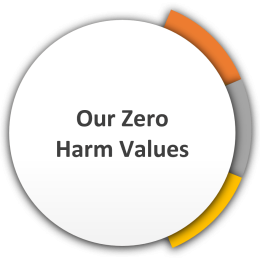
Our Zero Harm values provide the core for our culture, reputation and success with three the pillars, consisting of our people, the environment and our assets as displayed in this slide.
First and foremost are our people:
- We will care for and protect our people and ourselves
- We believe that no injury is acceptable
- We commit to constantly strive to eliminate injuries
Environment
- We will care for and protect our natural environment
- We believe environmental impacts should be minimised
- We commit to minimise environmental impacts
assets
- We care for and protect our assets
- We believe we need fit-for-purpose assets
- We commit to ensuring that the lifecycle of our assets is carefully managed
Observations & Plant Task Observations
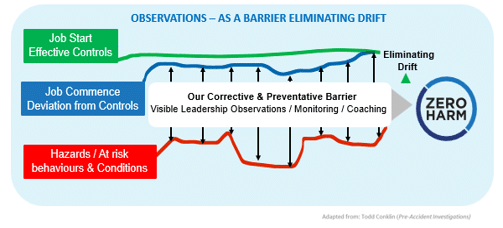
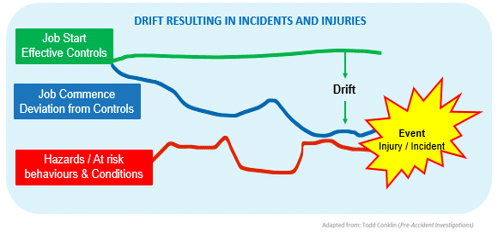
Safety drift” refers to the gradual deviation from established safety protocols and procedures, often due to, normalized deviations, a focus on efficiency or cost-effectiveness. Understanding, identifying, and addressing safety drift is crucial for maintaining safe operations and preventing accidents.
When safety drift is not addressed, it significantly increases the factor for a serious incident or accident to occur.
We use safety observations to identify and rectify hazards in the field and planned task observations to determine if worked are carried out as per Safe Work Method Statements this approach have been successfully trailed and tested globally, across industries to address and eliminate drift as far as reasonably practicable.
Psychosocial Hazard Management Approach

Our approach to Psychosocial hazards management is based on the hierarchy of control as applicable and or appropriate some examples include:
- Elimination
physically removing the hazard, for example, redesign the work process - Substitution
Modification of roles and or responsibilities - Engineering Controls
Workplace redesign (privacy, noise) - Administrative Controls
Flexible schedules, adequate breaks - Personal Protective Equipment (PPE)
Promoting personal resilience